
As I stood in my kitchen, engulfed by the cheerful aroma of garlic and lemon, I realized that my little experiment with Lacto-Fermented Hummus was about to become my new favorite snack. This recipe takes the traditional hummus we all know and love and adds a delightful twist through the magic of fermentation. Not only is this dish incredibly simple to whip up—perfect for those busy weeknights—but it also packs a serious health punch, promoting gut health with every creamy bite. With just a handful of straightforward ingredients, you’ll be amazed at how quickly you can elevate that snack game. So, are you ready to dive into a world where healthy meets delicious?
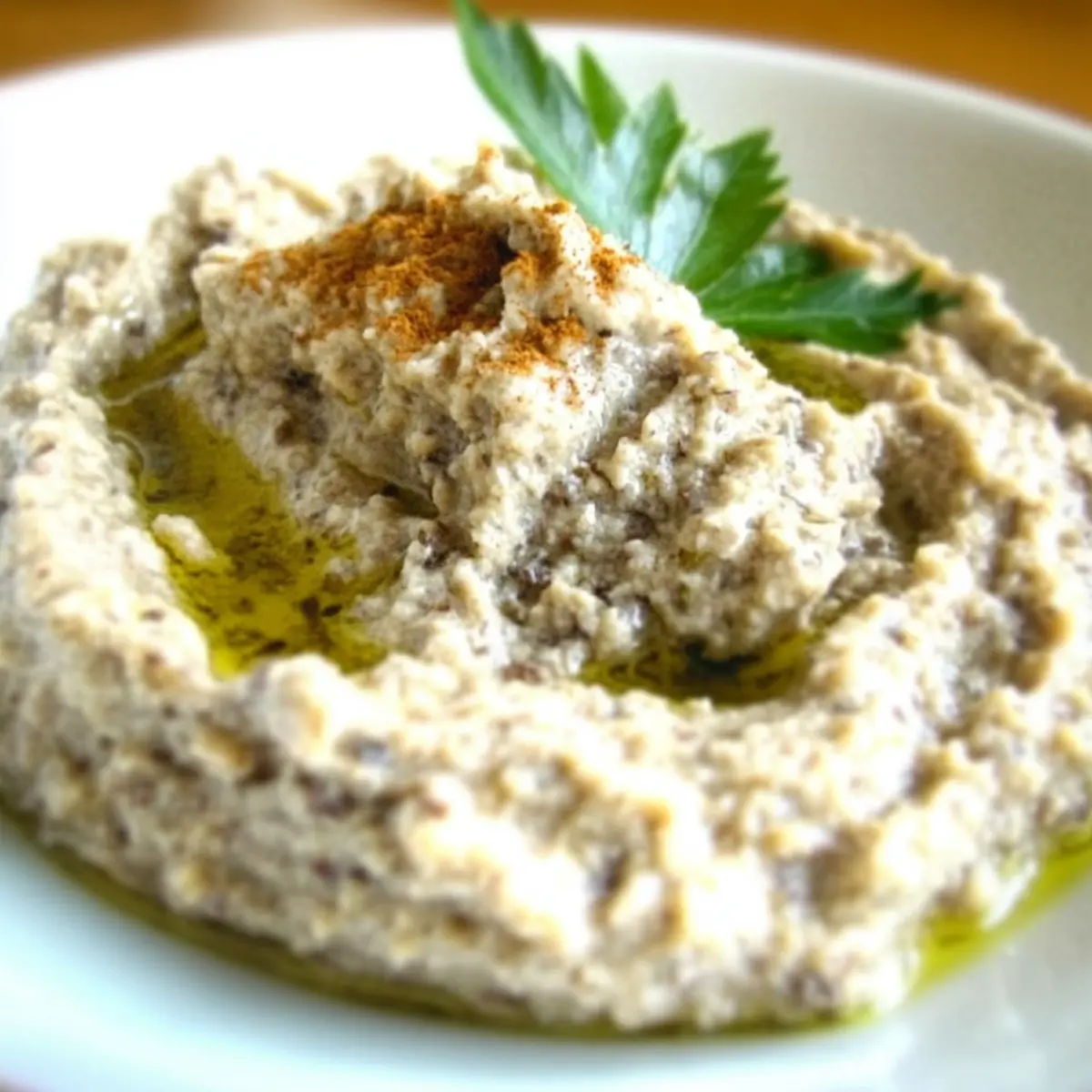
Why Is Lacto-Fermented Hummus Special?
Health Benefits: This creamy delight is packed with probiotics, supporting gut health and digestion in one scrumptious bite.
Simplicity: With just a handful of ingredients, you can whip up a nutritious snack without fuss.
Unique Flavor: The tangy twist from fermentation elevates classic hummus, tantalizing your taste buds.
Customizable: Feel free to add in your favorite spices or toppings for a personalized touch, making it a versatile choice for any meal.
Crowd-Pleasing: Perfect for gatherings, serve it with veggies or pita chips, and watch it disappear in minutes!
Enjoy this fantastic fusion of flavor and health by exploring more delicious options like my Mediterranean Veggie Platter or discovering the art of fermentation in your everyday cooking!
Lacto-Fermented Hummus Ingredients
• Get ready for a tangy twist!
For the Hummus Base
- Garbanzo Beans (Chickpeas) – The hearty base providing protein and fiber; soak or pressure-cook for the best texture.
- Toasted Sesame Tahini – Adds a rich creaminess; opt for raw tahini for a lighter flavor or roasted for a nuttier taste.
- Lemon Juice – Freshly squeezed juice from about 1 lemon brings brightness and zing to the mix.
- Garlic – Infuses a robust flavor; feel free to adjust the amount for your preferred intensity.
- Sea Salt – Enhances all the flavors; add to taste for a perfect balance.
For the Consistency
- Pure Water or Aquafaba – Used to adjust the texture; aquafaba gives a creamier consistency if you’ve soaked your chickpeas in it.
For Fermentation
- Whey with Active Cultures – Essential for fermentation, helping cultivate good bacteria; ensure it’s fresh for the best results.
Unlock a delicious and gut-friendly experience with this Lacto-Fermented Hummus that transforms the classic dish into a healthy addition to your culinary repertoire!
Step‑by‑Step Instructions for Lacto-Fermented Hummus
Step 1: Blend Ingredients
Start by placing the garbanzo beans, toasted sesame tahini, fresh lemon juice, garlic, sea salt, and water or aquafaba into a high-powered blender or food processor. Blend these ingredients on high until you achieve a smooth consistency with a slightly chunky texture, which typically takes about 2 to 3 minutes. Scrape down the sides as needed to ensure an even blend.
Step 2: Adjust Consistency
If you find the hummus too thick, feel free to add more water or aquafaba, a tablespoon at a time. Blend again until the hummus reaches your desired creamy consistency. The mixture should be thick enough to hold its shape but smooth enough to spread easily. This step is crucial to ensure your Lacto-Fermented Hummus has that delightful texture.
Step 3: Ferment
Transfer your blended hummus into a clean, air-tight container, leaving some space at the top for expansion. Cover it loosely to allow air to flow during fermentation, and place it in a warm, room-temperature area, ideally around 70°F to 75°F. Let it ferment for 7 to 12 hours; you’ll notice small bubbles forming, indicating the fermentation is working its magic.
Step 4: Taste and Adjust
After the fermentation time, taste your Lacto-Fermented Hummus for tanginess. If you’d like a stronger flavor, leave it to ferment for an additional hour and taste again. Remember, the fermentation process will enhance the hummus’s flavor, making it uniquely delicious.
Step 5: Store
Once you’re happy with the tang, seal the hummus with an air-tight lid and transfer it to the refrigerator. Chilling it enhances the flavors and thicken the mixture slightly. This step is essential for preserving the active cultures and achieving a vibrant, refreshing flavor in your Lacto-Fermented Hummus.
Step 6: Serve
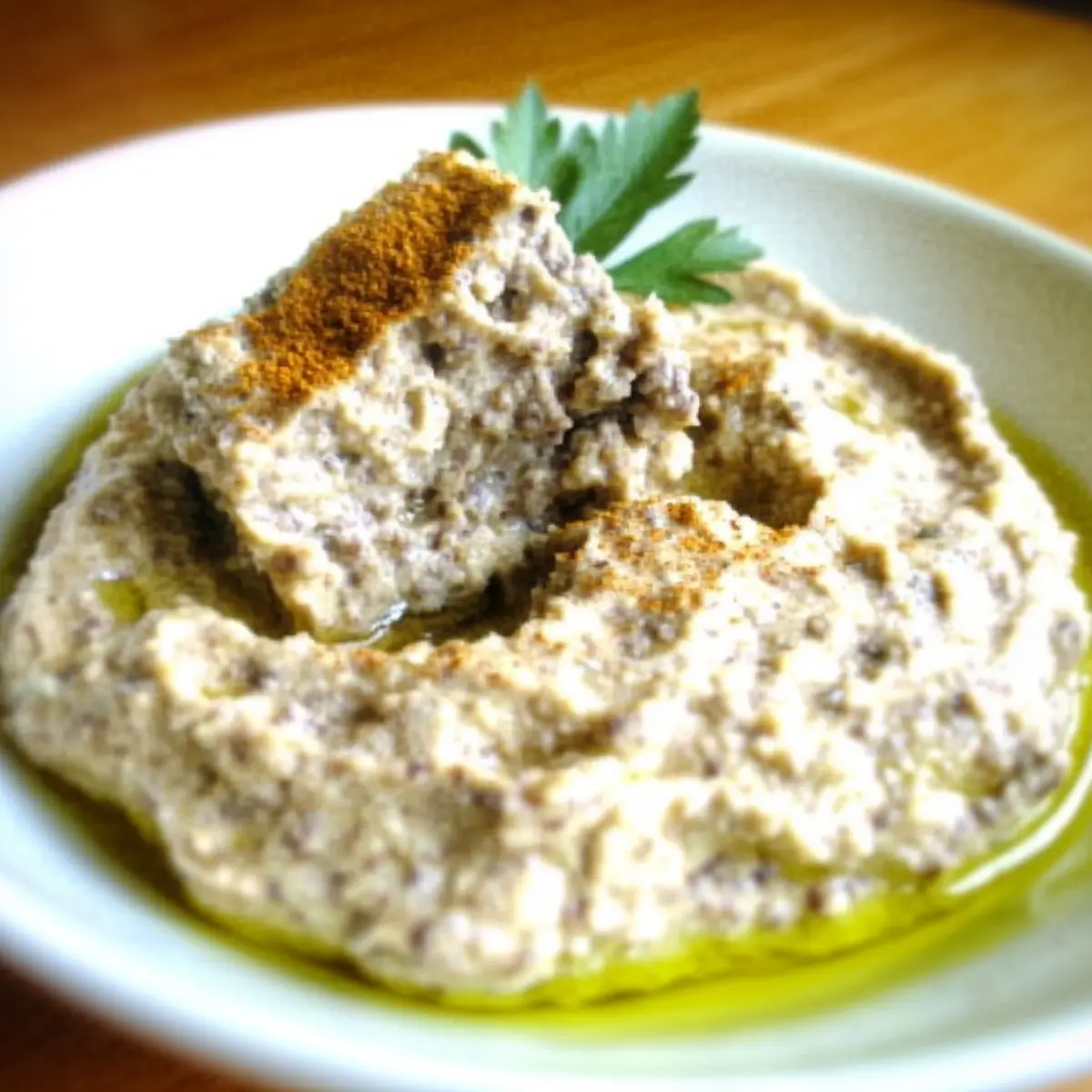
When you’re ready to serve, take the hummus out of the fridge. Spoon it into a serving bowl and garnish with a sprinkle of paprika, fresh parsley, and a drizzle of extra virgin olive oil for an added burst of flavor. Enjoy it with your favorite sprouted grain crackers, fresh vegetables, or pita chips!
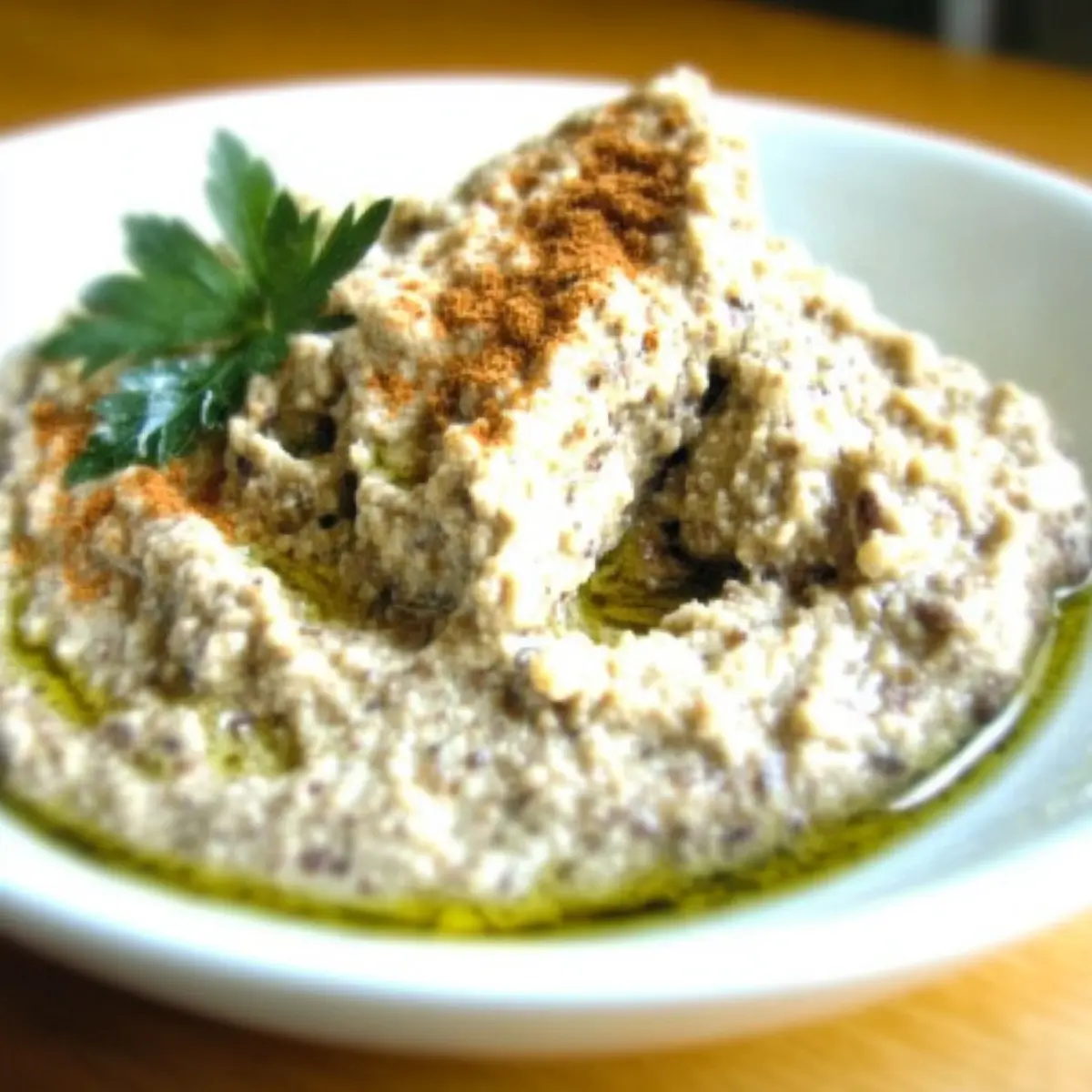
Expert Tips for Lacto-Fermented Hummus
- Temperature Awareness: Fermentation time varies with temperature; keep in mind that warmer spaces can shorten the fermentation process significantly.
- Flavor Timing: Taste the hummus after fermentation for tang; if it’s not tangy enough, don’t hesitate to extend the fermentation time for stronger flavor.
- Cleanliness Matters: Ensure all utensils and containers are spotless before use to avoid unwanted bacteria that can spoil your Lacto-Fermented Hummus.
- Storage Strategy: Refrigerate immediately after fermentation to maintain freshness; this will help keep the active cultures thriving while enhancing flavors.
- Experiment Freely: Don’t be shy to try different bean varieties or add spices; customization will make your Lacto-Fermented Hummus uniquely yours!
Make Ahead Options
These Lacto-Fermented Hummus is perfect for meal prep enthusiasts! You can prepare the hummus base up to 24 hours in advance, blending all ingredients (garbanzo beans, tahini, lemon juice, garlic, sea salt, and water or aquafaba) before fermentation. Simply store the blended mixture in an airtight container and leave it at room temperature to ferment for 7 to 12 hours. If you want to have it ready for the week, remember to refrigerate the hummus right after achieving your desired tanginess. When ready to serve, just garnish with paprika and olive oil for that fresh finish. This make-ahead method not only saves time but ensures your Lacto-Fermented Hummus is just as delicious when you’re ready to enjoy it!
What to Serve with Lacto-Fermented Hummus
Elevate your snacking experience with delicious pairings that harmonize beautifully with this creamy treat!
- Sprouted Grain Crackers: The crunchiness of these crackers enhances the smooth texture of hummus, creating a satisfying contrast.
- Fresh Veggies: Crunchy carrots, cucumbers, and bell peppers add vibrant color and nutrition, making each scoop delightfully fresh and crisp.
- Pita Chips: Their salty, baked goodness makes them the perfect vehicle for scooping up the creamy hummus, offering a flavorful bite.
- Roasted Beet Salad: The earthiness of roasted beets and tangy feta complements the fermented flavors beautifully, creating a wholesome dish.
- Grilled Chicken Skewers: Savory skewers bring a protein punch to your meal, providing a hearty balance to the tangy hummus.
- Olives and Feta Platter: This combination adds a Mediterranean flair full of flavor, offering an exciting array of tastes and textures.
- Herbed Quinoa: Fluffy quinoa with fresh herbs complements the richness of hummus, making it a nutritious base for a vibrant meal.
- Sparkling Water with Lemon: Refreshing and light, it clears the palate between bites, perfectly enhancing the tangy notes of the hummus.
- Chocolate-Dipped Strawberries: A sweet ending contrasts nicely with the savory hummus, completing your meal with a delightful surprise!
Lacto-Fermented Hummus Variations & Substitutions
Customize your Lacto-Fermented Hummus to suit your taste buds and ingredients on hand; let the creativity flow!
- Bean Substitution: Swap garbanzo beans for black beans or lentils for a unique twist. Each variety brings its own delightful flavor and texture!
- Flavor Boost: Stir in roasted garlic or caramelized onions for a deeper, savory punch. Both add rich layers that elevate your hummus.
- Herb Infusion: Add fresh herbs like cilantro, basil, or dill to brighten the flavors. These add a fresh burst, making every bite vibrant and aromatic.
- Spice It Up: Sprinkle in a pinch of smoked paprika or cayenne for a touch of heat. Feeling adventurous? Go ahead and add your favorite spice blend!
- Nutty Addition: Incorporate a tablespoon of nut butter like almond or cashew for creaminess and an exciting flavor twist. It transforms your hummus into a decadent dip!
- Vegan Fermentation: Use coconut yogurt as a dairy-free alternative to whey, keeping the good bacteria while staying plant-based. It’s an easy swap for vegans and those with lactose intolerance.
- Texture Variation: Blend in some roasted nuts or seeds for added crunch. This not only enhances texture but also adds a nutritional boost!
- Sweet Twist: For a surprisingly delightful version, mix in a dash of maple syrup or roasted beets. They introduce a subtle sweetness that pairs unexpectedly well with savory elements.
Explore delicious variations or jump into the world of fermentation with helpful tips from my guide on fermentation or create a beautiful platter with my Mediterranean Veggie Platter!
Storage Tips for Lacto-Fermented Hummus
- Fridge: Store your Lacto-Fermented Hummus in an airtight container in the refrigerator, where it will stay fresh for up to 3 weeks due to the preservative effects of fermentation.
- Freezer: If you want to keep it longer, you can freeze your hummus for up to 3 months. Use a freezer-safe container, leaving space for expansion, and thaw in the fridge when ready to enjoy.
- Reheating: While hummus is typically enjoyed chilled, if you prefer a warm dip, gently heat it in a saucepan over low heat, adding a splash of water for the desired consistency.
- Taste Check: Always taste your Lacto-Fermented Hummus after a few days in the fridge. The flavors will continue to develop, so adjust fermentation time accordingly during your next batch for your ideal tanginess!
Lacto-Fermented Hummus Recipe FAQs
What kind of chickpeas should I use for the best Lacto-Fermented Hummus?
Absolutely! For the best results, use either dried chickpeas that you’ve soaked overnight or canned chickpeas. If you opt for dried chickpeas, pressure-cook them for about 15-20 minutes until they’re tender. This ensures a smoother consistency and enhances the overall flavor of your hummus.
How long can I store Lacto-Fermented Hummus in the fridge?
Lacto-Fermented Hummus can be stored in the refrigerator for up to 3 weeks in an airtight container. After fermentation, it becomes even more flavorful, so don’t hesitate to take a scoop every now and then! Just ensure it’s tightly sealed to prevent any unwanted bacteria.
Can I freeze Lacto-Fermented Hummus?
Yes, you can freeze your Lacto-Fermented Hummus! Place it in a freezer-safe container, leaving about an inch of space at the top for expansion. It can be frozen for up to 3 months. To enjoy, simply thaw it in the refrigerator overnight, and give it a good stir to return it to its creamy consistency.
What should I do if my Lacto-Fermented Hummus isn’t tangy enough?
If you find your hummus isn’t as tangy as you’d like, it may need a little more fermentation time. I recommend tasting it after the initial 7 hours. If it doesn’t have that desired zing, allow it to ferment for another hour or so. Keep an eye on it, though—just enough time to develop flavor without going overboard!
Is Lacto-Fermented Hummus safe for those with allergies?
Lacto-Fermented Hummus is generally quite safe, but do take precautions. If you have nut allergies, ensure your tahini is nut-free, as some varieties may contain traces. Additionally, check the whey or yogurt you use for any allergens. Always double-check labels to ensure you’re selecting safe ingredients.
How do I know when the fermentation process is complete?
You’ll know your Lacto-Fermented Hummus is ready when you see small bubbles forming in the container, signaling that fermentation is taking place. Taste it after the recommended fermentation period of 7 to 12 hours—if it’s tangy and pleasantly sour, it’s ready for refrigeration. If it’s still quite mild, feel free to extend the fermentation time gradually while you taste.
Lacto-Fermented Hummus: A Tasty Twist on a Classic
Ingredients
Equipment
Method
- Start by placing the garbanzo beans, toasted sesame tahini, fresh lemon juice, garlic, sea salt, and water or aquafaba into a high-powered blender or food processor. Blend these ingredients on high until you achieve a smooth consistency, about 2 to 3 minutes.
- If the hummus is too thick, add more water or aquafaba, a tablespoon at a time. Blend again until the desired creamy consistency is achieved.
- Transfer the blended hummus into a clean, air-tight container, leaving space for expansion. Cover it loosely and place in a warm area (70°F to 75°F) for fermentation, about 7 to 12 hours.
- After fermentation, taste the hummus for tanginess. If you want a stronger flavor, continue to ferment for an additional hour.
- Seal the hummus with an airtight lid and refrigerate. This enhances flavor and thickens the mixture.
- Serve the hummus in a bowl, garnished with paprika, fresh parsley, and a drizzle of extra virgin olive oil.
Leave a Reply