
As the spicy aroma of gochujang wafts through my kitchen, I’m transported to a culinary battlefield where Italy meets Korea in a glorious fusion. This Gochujang Bolognese isn’t just your average pasta dish; it combines hearty comfort with an exciting twist that can transform weeknight dinners into grand celebrations. What I love most about this recipe is its versatility—it’s quick to whip up and can easily accommodate vegetarian friends or a gluten-free crowd, making it a true crowd-pleaser. So, are you ready to dive into this flavorful adventure that brings warmth and spice to your table? Let’s get cooking!
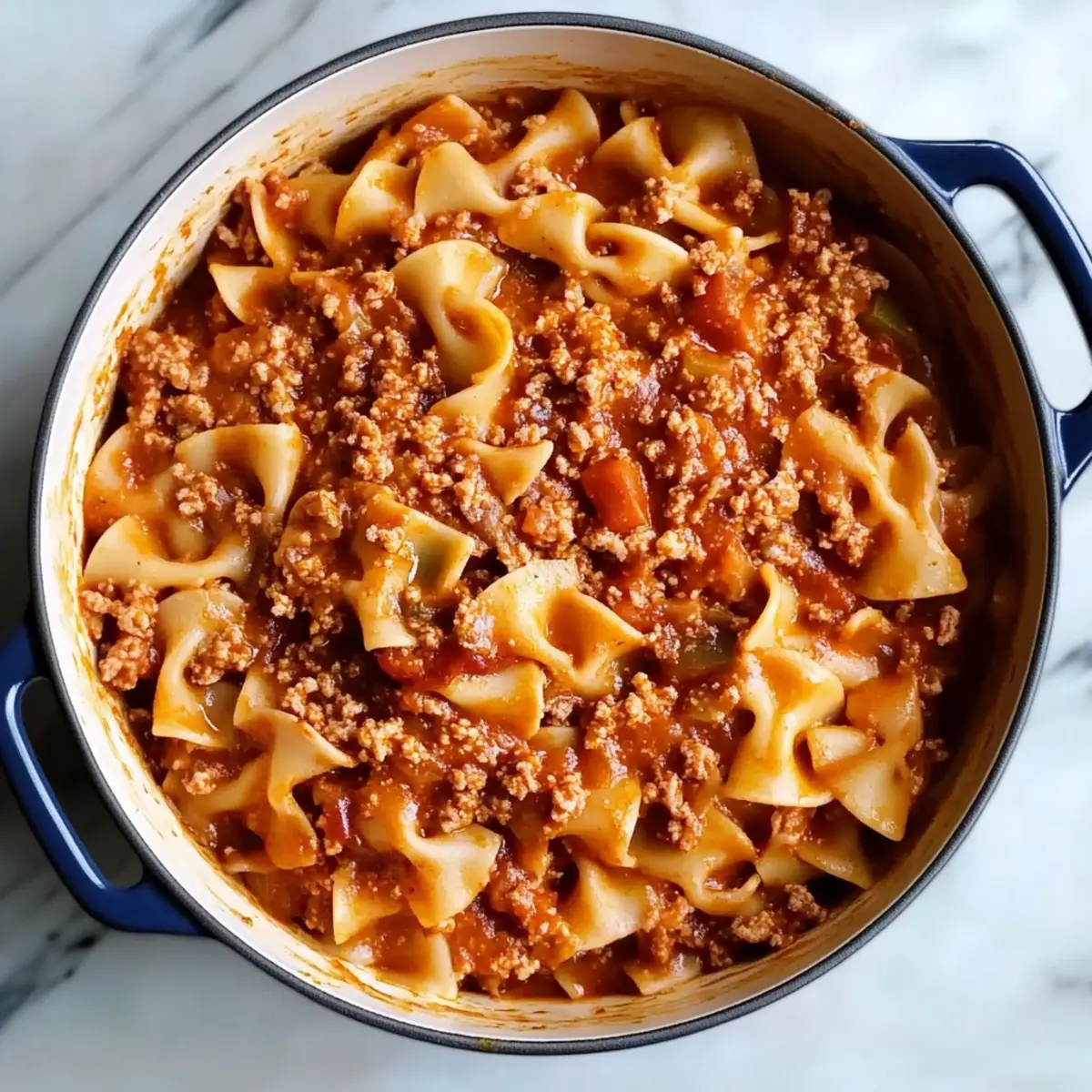
Why is Gochujang Bolognese So Special?
Uniquely Bold Flavors: The infusion of gochujang brings an exciting twist to a classic Bolognese sauce, delivering a balance of sweet and spicy that will surprise your taste buds.
Quick & Easy: With minimal prep and cooking time, you can whip up this delicious dish in under 30 minutes, perfect for busy weeknights.
Versatile Options: This recipe can easily adapt to vegetarian standards by swapping in lentils or plant-based meat, ensuring everyone at the table feels included.
Creamy Texture: The addition of half-and-half creates a luscious, creamy sauce, enhancing the overall experience without any fuss.
Crowd-Pleasing Dish: Whether it’s a family dinner or entertaining guests, this Gochujang Bolognese is bound to leave a lasting impression and have everyone coming back for seconds!
Gochujang Bolognese Ingredients
• Gather your essentials to create this flavorful fusion dish!
For the Sauce
- Ground Beef – Provides a rich, flavorful base; lean ground turkey works for a lighter option.
- Ground Pork – Adds additional flavor and fat; can be substituted with plant-based ground meat for a vegetarian version.
- Gochujang – A Korean chili paste that introduces sweet and spicy notes; adjust the quantity based on your heat preference.
- Crushed Tomatoes – Forms the sauce’s bulk, adding acidity and body; opt for fire-roasted varieties for deeper flavor.
- Half-and-Half – Provides creaminess; use heavy cream or a non-dairy alternative for a richer taste.
For Aromatics
- Onion – Enhances flavor; substitute with leeks for a milder taste.
- Carrot – Adds natural sweetness; peel and dice nicely to complement the other veggies.
- Celery – Brings depth to the mirepoix; ensure it’s finely diced for even cooking.
- Garlic – Gives the sauce depth; adjust based on preference for a more robust flavor.
For Seasoning
- Beef Broth – Adds moistness and flavor; vegetable broth works beautifully in vegetarian versions.
- Dried Thyme – Brings an herbaceous note; Italian seasoning can be used as an alternative.
- Bay Leaves – Impart additional aroma; remember to remove them before serving.
- Salt & Pepper – Essential for seasoning; adjust to taste for personal preference.
Optional Enhancements
- Parmesan Rind – Infuses umami flavor into the sauce; replace it with nutritional yeast for a vegan option.
Dive into the delightful world of Gochujang Bolognese and explore the layers of flavor waiting for you in this dish! 🌶️
Step‑by‑Step Instructions for Gochujang Bolognese
Step 1: Prepare Aromatics
Start by peeling and dicing one carrot, mincing three garlic cloves, dicing one large onion, and chopping two celery stalks. This aromatic blend, known as mirepoix, lays a flavorful foundation for your Gochujang Bolognese. Set aside the chopped veggies, ensuring they’re ready to toss into the pot shortly.
Step 2: Sauté Vegetables
In a large pot, heat two tablespoons of olive oil and one tablespoon of butter over medium heat until shimmering. Add the diced onion, carrot, garlic, and celery, sautéing for about 5 minutes until the mixture is fragrant and the onions are translucent. Stir occasionally to prevent burning, allowing the flavors to meld beautifully.
Step 3: Cook Meats
Once the vegetables are softened, add half a pound each of ground beef and ground pork to the pot. Break up the meat with a wooden spoon as it cooks, browning for 6–8 minutes until it’s no longer pink. Mix in one teaspoon of dried thyme, two tablespoons of gochujang, and one tablespoon of tomato paste, stirring well to distribute the flavors.
Step 4: Deglaze and Simmer
Pour in one cup of beef broth, scraping up any browned bits from the bottom of the pot. Let it simmer for about one minute to infuse the broth with flavor. Next, add a 28-ounce can of crushed tomatoes, half a cup of half-and-half, a Parmesan rind (if using), and two bay leaves. Stir well and allow the sauce to simmer gently for 20 minutes.
Step 5: Cook Pasta
While the sauce simmers, bring a large pot of salted water to a boil. Add your favorite pasta and cook according to package instructions until just shy of al dente, usually around 8–10 minutes. Before draining, reserve half a cup of the starchy cooking water to help adjust the sauce’s consistency later.
Step 6: Combine
Once the sauce has thickened nicely, remove the Parmesan rind and bay leaves. Stir in half a cup of grated Parmesan cheese until melted and well incorporated. Add the drained pasta directly into the sauce, mixing thoroughly. If the sauce feels too thick, use the reserved pasta water to achieve your desired consistency.
Step 7: Garnish and Serve
Serve your Gochujang Bolognese hot, garnished with freshly chopped herbs like basil or parsley, and an additional sprinkle of grated Parmesan. This beautiful fusion dish pairs perfectly with a crisp green salad or garlic bread, enhancing your flavorful dining experience!
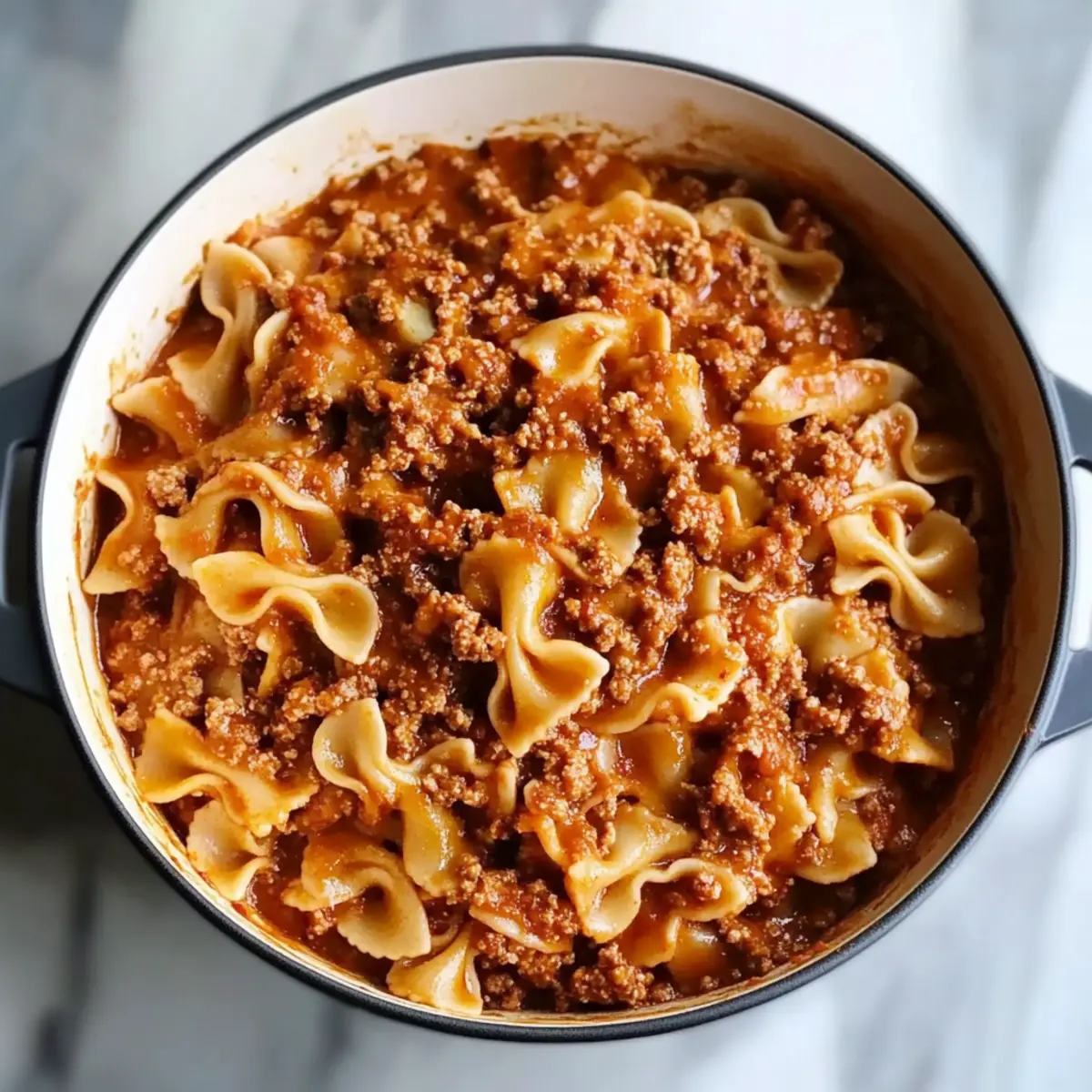
What to Serve with Gochujang Bolognese
To create a complete and delightful dining experience, complement this spicy soul-warming dish with sides that balance its bold flavors.
-
Garlic Bread: Perfectly crisp and buttery, it’s an ideal tool for savoring every drop of that rich sauce. The warmth from the bread enhances the cozy comfort of the meal.
-
Crisp Green Salad: A fresh salad tossed with a tangy vinaigrette adds brightness and crunch. The bitter greens contrast beautifully with the rich sauce, cleansing your palate with each bite.
-
Creamy Polenta: The smooth texture of polenta pairs wonderfully with Gochujang Bolognese. It soaks up the sauce, creating a harmonious dish that feels luxurious.
-
Roasted Vegetables: Seasonal veggies roasted to caramelized perfection bring a nutty sweetness, enhancing the complex flavors of the sauce while adding color and texture to your plate.
-
Spaghetti Squash: For a lighter touch, serving the Bolognese over spaghetti squash offers a delightful twist. Its natural sweetness complements the spiciness, making for a refreshing alternative.
-
Sangria: A chilled glass of fruity sangria balances the heat perfectly. Its sweet and tangy notes elevate the meal, creating an enjoyable dining experience for everyone.
-
Chocolate Mousse: End the meal with a rich chocolate mousse for a touch of indulgence! The velvety dessert counteracts the spice of the Gochujang Bolognese, leaving your guests thoroughly satisfied.
Gochujang Bolognese Variations & Substitutions
Feel free to tailor this recipe to match your cravings and dietary needs—a flavorful journey awaits!
- Vegetarian: Substitute meat with lentils or a blend of finely chopped mushrooms for a delicious plant-based version. Both options offer great texture while keeping the rich flavors intact.
- Gluten-Free: Swap regular pasta for gluten-free options like quinoa pasta or spiralized zucchini to accommodate gluten sensitivities without missing out on taste. Enjoy that delightful sauce over your favorite gluten-free alternative!
- Spicy Kick: Add more gochujang to crank up the heat, or toss in some red pepper flakes to give your dish an exciting fiery boost. Adjust to taste for a comfortable level of spice!
- Creamy Adjustments: Replace half-and-half with coconut cream or almond milk for a dairy-free alternative that still offers creaminess while imparting its unique flavor. Perfect for those looking to avoid dairy!
- Umami Boost: Incorporate a splash of soy sauce or miso paste to amplify the umami flavor in your sauce, lending it extra depth that will have your taste buds dancing.
- Herbal Twist: Use fresh herbs like basil or cilantro as a vibrant garnish, or mix dried Italian herbs or Thai basil into the sauce as it simmers for an aromatic lift!
- Nutty Flavor: Add toasted sesame oil to the sauce in the final stages for a nutty richness that beautifully complements the gochujang. Just a little will go a long way!
- Sweet Balance: For added sweetness, consider stirring in a touch of honey or brown sugar to counterbalance the spiciness and enhance the flavor complexity of your sauce.
As you explore these variations, don’t hesitate to check out our other recipes, like the delicious nuances in this spicy ramen or the delightful layers in our vegetarian shepherd’s pie. Happy cooking!
Expert Tips for Gochujang Bolognese
Mind the Heat: Maintain medium heat when sautéing vegetables to prevent burning, especially the garlic, which can quickly become bitter if overcooked.
Taste as You Go: Regularly taste your sauce during cooking. Adjust the seasoning to create a perfectly balanced flavor that matches your palate for this Gochujang Bolognese.
Simmer for Thickness: Allow the sauce to simmer uncovered for a longer time if you prefer a thicker consistency. This also intensifies the flavors beautifully.
Reserve Pasta Water: Don’t forget to save some pasta cooking water! It’s a great tool for adjusting the thickness of the sauce while adding starch for better adherence to the pasta.
Substitution Smart: If you’re aiming for a vegetarian version, don’t hesitate to experiment with lentils or a mix of mushrooms and plant-based meat to keep that rich texture.
How to Store and Freeze Gochujang Bolognese
Fridge: Store leftover Gochujang Bolognese in an airtight container for up to 4 days. Make sure it’s cooled before sealing to maintain its rich flavor and texture.
Freezer: This sauce freezes beautifully! Portion it into freezer-safe containers, and it will last for up to 3 months. Thaw overnight in the refrigerator before reheating for best results.
Reheating: Gently reheat on the stovetop over low heat, adding a splash of reserved pasta water if needed to restore creaminess.
Room Temperature: Avoid leaving Gochujang Bolognese at room temperature for more than 2 hours to ensure food safety.
Make Ahead Options
These Gochujang Bolognese are perfect for busy home cooks looking to save time during the week! You can prepare the sauce up to 3 days in advance and store it in an airtight container in the refrigerator. Simply cook the aromatics, meats, and add the gochujang along with the crushed tomatoes as directed. Allow the sauce to cool before refrigerating to maintain its texture and flavor, ensuring it stays just as delicious when reheated. When ready to serve, just reheat the sauce in a pot and cook your pasta fresh, combining them together before enjoying this comforting fusion meal on a busy night.
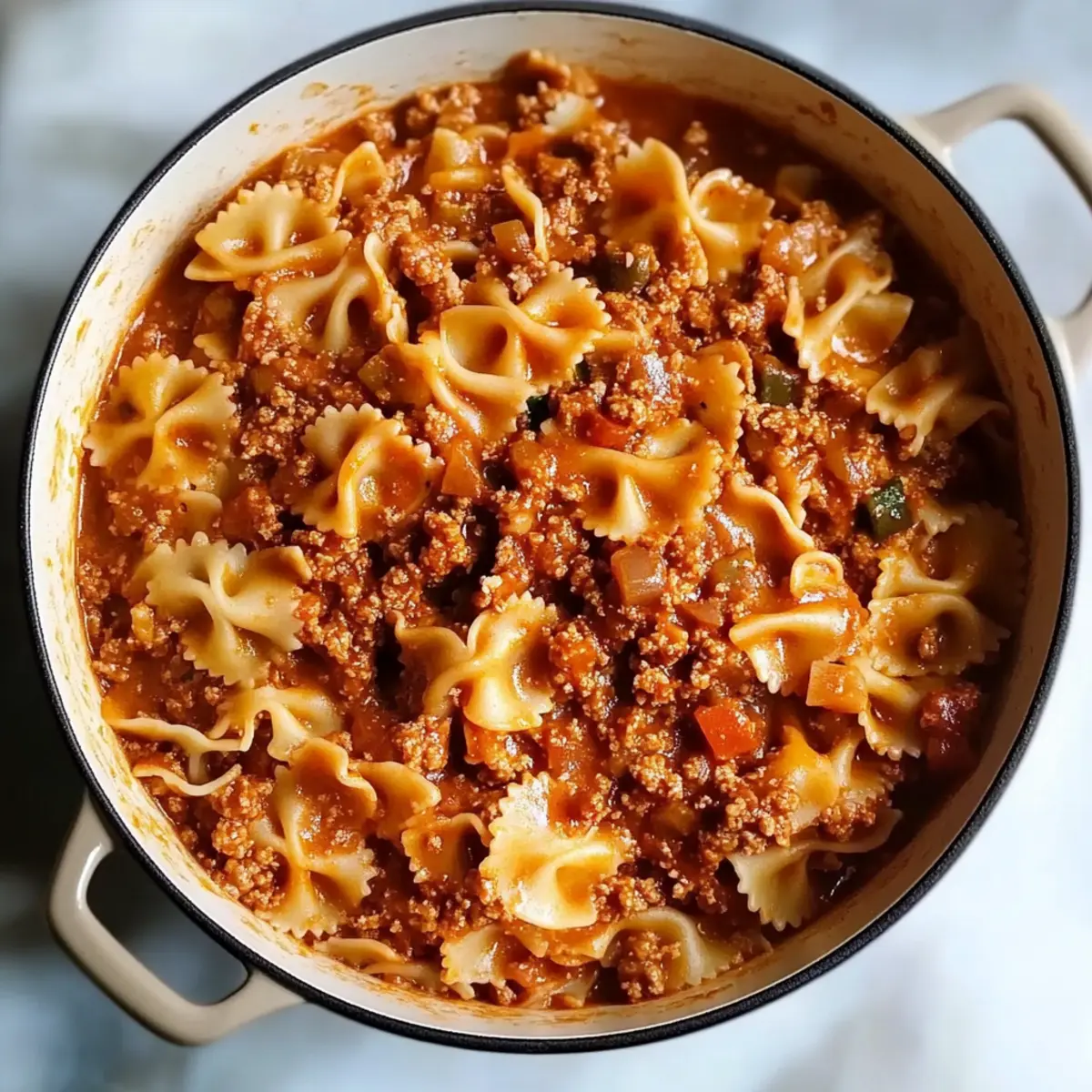
Gochujang Bolognese Recipe FAQs
What type of gochujang should I use?
Absolutely! For the best flavor, I recommend using a good-quality, fermented gochujang, as this will provide a deeper umami flavor. You can find this in most Asian markets or online. Brands vary in heat intensity, so start with one tablespoon and adjust according to your taste preference.
How do I store leftovers?
Very simple! Place leftovers in an airtight container and store them in the refrigerator. They’ll stay fresh for up to 4 days. Make sure to let the sauce cool down completely before placing it in the container to avoid any moisture build-up.
Can I freeze Gochujang Bolognese?
Absolutely! To freeze, allow the sauce to cool completely. Then, portion it into freezer-safe containers or zip-lock bags, leaving some space for expansion. It will keep well in the freezer for up to 3 months. When you’re ready to enjoy it again, just thaw overnight in the refrigerator and reheat gently.
How can I make this recipe gluten-free?
The more the merrier! To adapt this Gochujang Bolognese to a gluten-free diet, simply use gluten-free pasta of your choice. As for the sauce, double-check that the gochujang and broth are gluten-free, as some brands may contain gluten. There are plenty of gluten-free options available at grocery stores.
What can I substitute for ground meat in this recipe?
For a delightful vegetarian twist, you can use a mix of lentils, finely diced mushrooms, or a plant-based ground meat alternative. I find that using a blend of lentils and mushrooms gives the best texture while mimicking the richness of traditional meat sauces. Just cook them down with the sautéed vegetables to infuse all those wonderful flavors!
How do I know if my sauce is too thick?
If your sauce seems too thick while cooking, you can adjust it by adding a splash of reserved pasta water or a bit of broth. Start with a tablespoon at a time and stir until you reach your desired consistency. Alternatively, if you prefer a thicker sauce, it can simmer uncovered to reduce and concentrate those flavors further.
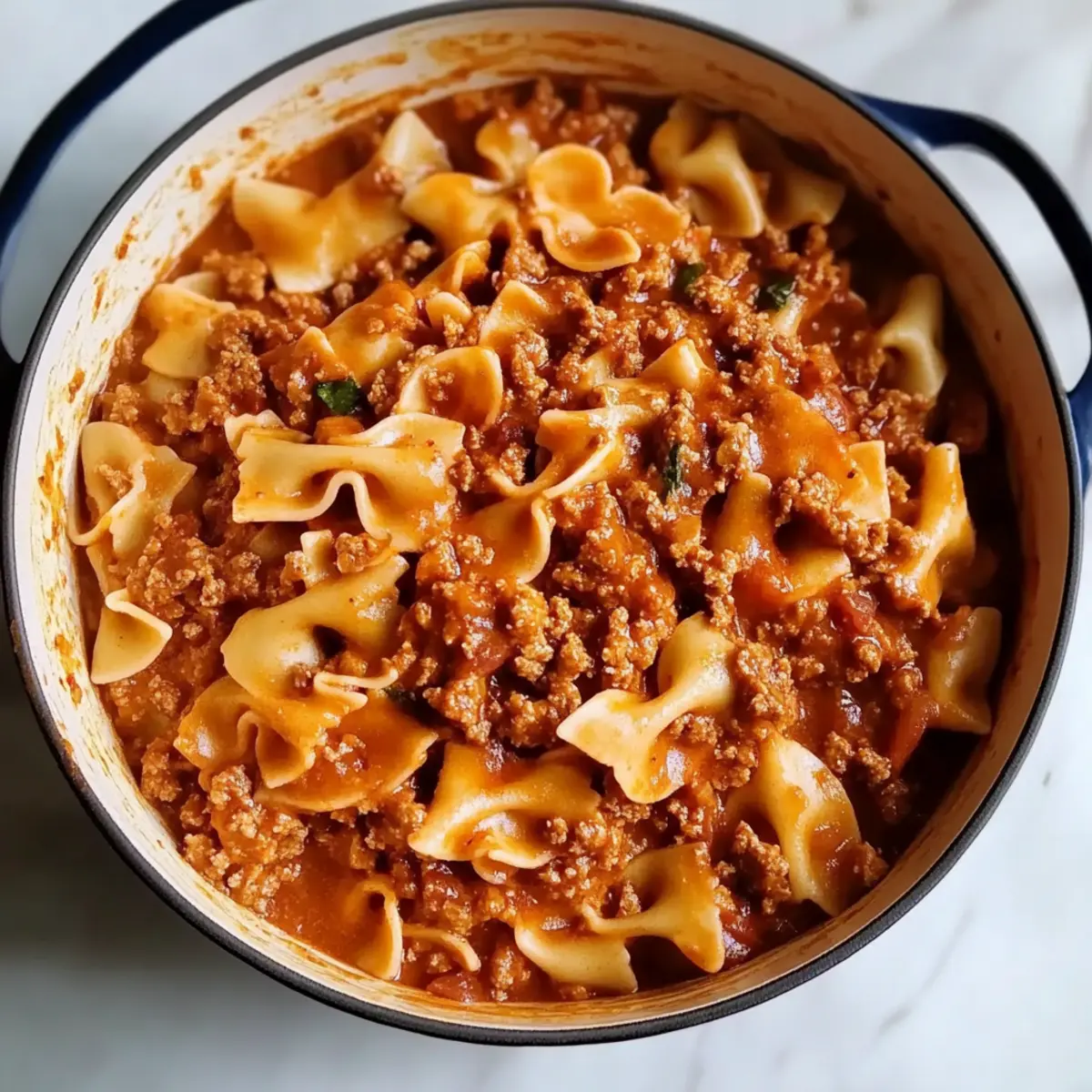
Gochujang Bolognese: A Spicy Twist on Comfort Food
Ingredients
Equipment
Method
- Prepare Aromatics: Peel and dice one carrot, mince three garlic cloves, dice one onion, and chop two celery stalks.
- Sauté Vegetables: Heat two tablespoons of olive oil and one tablespoon of butter. Add onion, carrot, garlic, and celery; sauté for about 5 minutes until fragrant.
- Cook Meats: Add half a pound each of ground beef and ground pork to the pot. Break up the meat and brown for 6-8 minutes.
- Deglaze and Simmer: Pour in one cup of beef broth and add a can of crushed tomatoes, half a cup of half-and-half, a Parmesan rind, and two bay leaves. Simmer for 20 minutes.
- Cook Pasta: Boil salted water and add pasta. Cook according to package instructions until just shy of al dente, about 8-10 minutes.
- Combine: Remove the Parmesan rind and bay leaves. Stir in half a cup of grated Parmesan cheese. Mix in the drained pasta, using reserved pasta water if necessary.
- Garnish and Serve: Serve hot, garnished with chopped herbs and extra grated Parmesan. Enjoy with a salad or garlic bread.
Leave a Reply