
As I stood in my kitchen, the scent of fresh Roma tomatoes lingered in the air, stirring up memories of summer afternoons spent in my grandmother’s garden. Today, I’m excited to share my recipe for Easy 3-Ingredient Homemade Tomato Paste—a culinary gem that truly transforms your cooking. With just three simple ingredients, you can create a rich, concentrated elixir that elevates everything from sauces to soups. Not only is this homemade version packed with unmatched flavor, but it also allows you to take control over what goes into your food, making it a healthier option. Plus, the process of canning it means those vibrant summer flavors can be savored all year round. Are you curious about how to make tomato paste that rivals any store-bought alternative? Let’s get started!
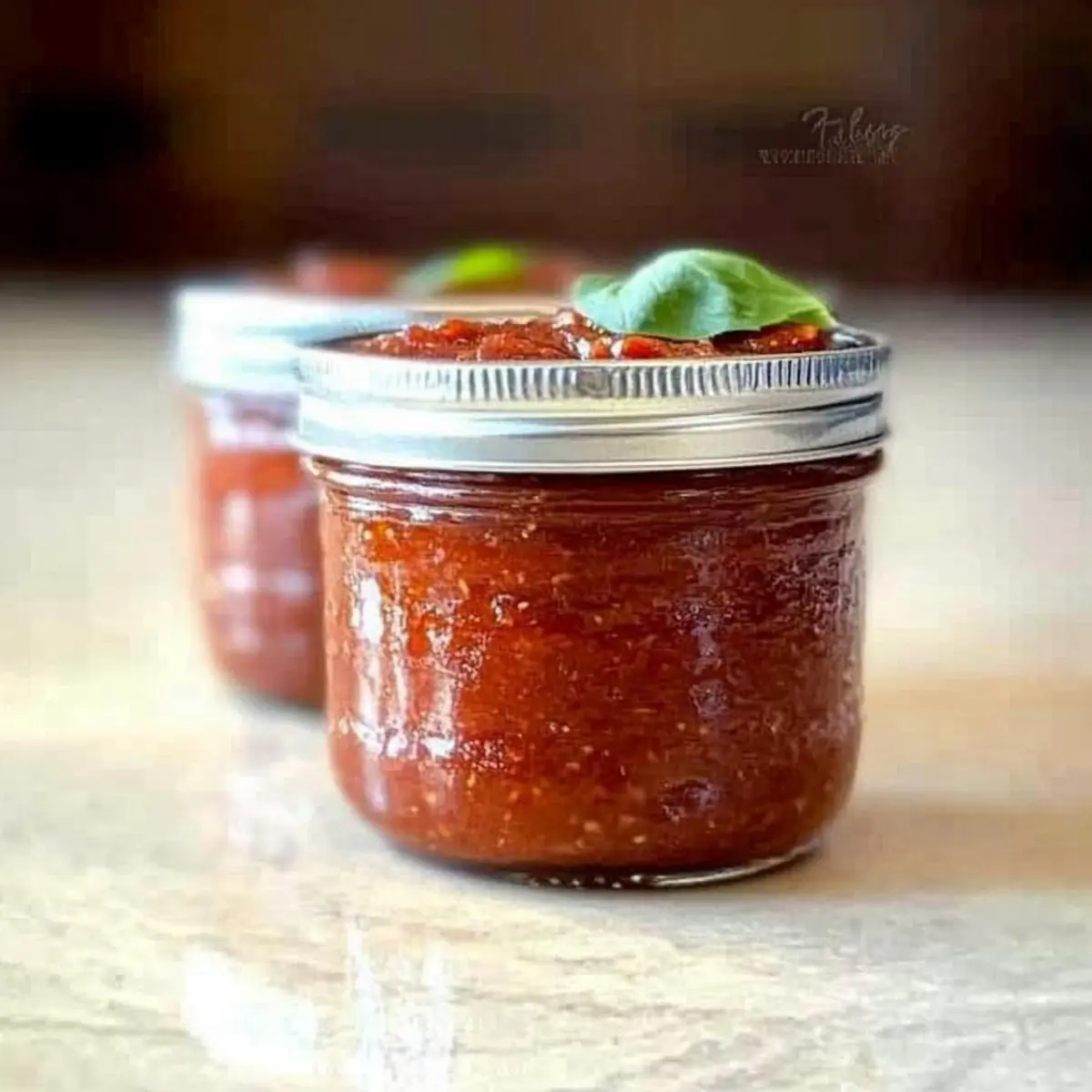
How to make tomato paste easily?
Simplicity at its finest: This recipe only requires three ingredients—Roma tomatoes, olive oil, and a bay leaf—making it accessible for cooks of all skill levels.
Unmatched flavor: Homemade tomato paste boasts a rich, concentrated taste that elevates your dishes beyond anything store-bought can offer.
Versatile uses: Use this paste as a base for sauces, stews, or even to intensify flavors in your favorite recipes, similar to a delicious Cucumber Tomato Salad or Blueberry Lemon Chow.
Healthy choice: Control the ingredients in your cooking, making the paste a nutritious option that’s perfect for any meal.
Long-lasting preservation: With canning techniques, you can enjoy the flavors of summer year-round, bringing a taste of freshness into your kitchen even in the colder months.
How to Make Tomato Paste Ingredients
For the Tomato Paste
• Roma Tomatoes – Use the main ingredient for natural sweetness and concentrated flavor; other fleshy varieties can work if needed.
• Olive Oil – Adds richness and helps cook down the tomatoes smoothly; feel free to substitute with any neutral oil.
• Bay Leaf – Infuses the paste with aromatic flavor; use one bay leaf for every two pounds of tomatoes.
Feel the excitement of your kitchen come alive as you gather these simple, fresh ingredients to craft your own homemade tomato paste!
Step‑by‑Step Instructions for How to Make Tomato Paste
Step 1: Prepare the Tomatoes
Begin by washing 8 pounds of Roma tomatoes under cool running water to remove any dirt. Next, rough chop the tomatoes into quarters, disregarding the stems. This method ensures that the tomatoes break down easier during cooking, allowing you to extract their rich flavors fully. Set your chopped tomatoes aside as you prepare to cook them down.
Step 2: Cook Tomatoes
In a large pot, heat 2 tablespoons of olive oil over medium heat. Once hot, add the chopped tomatoes to the pot, allowing them to sizzle and soften. Stir occasionally as they cook for about 20-30 minutes. Expect the mixture to start bubbling as the tomatoes break down, releasing their juices and aromas, which will signal it’s ready for the next step.
Step 3: Strain the Tomato Mixture
After the tomatoes have softened, it’s time to strain them for a smooth paste. Use a food mill or a blender to puree the cooked tomato mixture. If using a blender, pour it through a fine-mesh sieve to remove the skins and seeds, resulting in a velvety tomato puree. This step is crucial for achieving the luscious texture of your homemade tomato paste.
Step 4: Cook Down the Puree
Return the strained tomato puree to the pot and add bay leaves—one for every two pounds of tomatoes. Reduce the heat to low, allowing the mixture to simmer uncovered for 1.5 to 2 hours. Stir frequently to prevent sticking, and watch for thickening as the water evaporates; the goal is a rich, dense paste that clings to the back of a spoon.
Step 5: Store the Tomato Paste
Once you’ve achieved the desired thickness, remove the pot from heat and allow it to cool slightly. Transfer the hot tomato paste into sterilized jars for canning, ensuring to leave ¼ inch of headspace. For freezing, fill ice cube trays for easy portioning. Seal the jars or trays tightly and label them, ready to capture the essence of summer whenever a meal calls for homemade tomato paste!
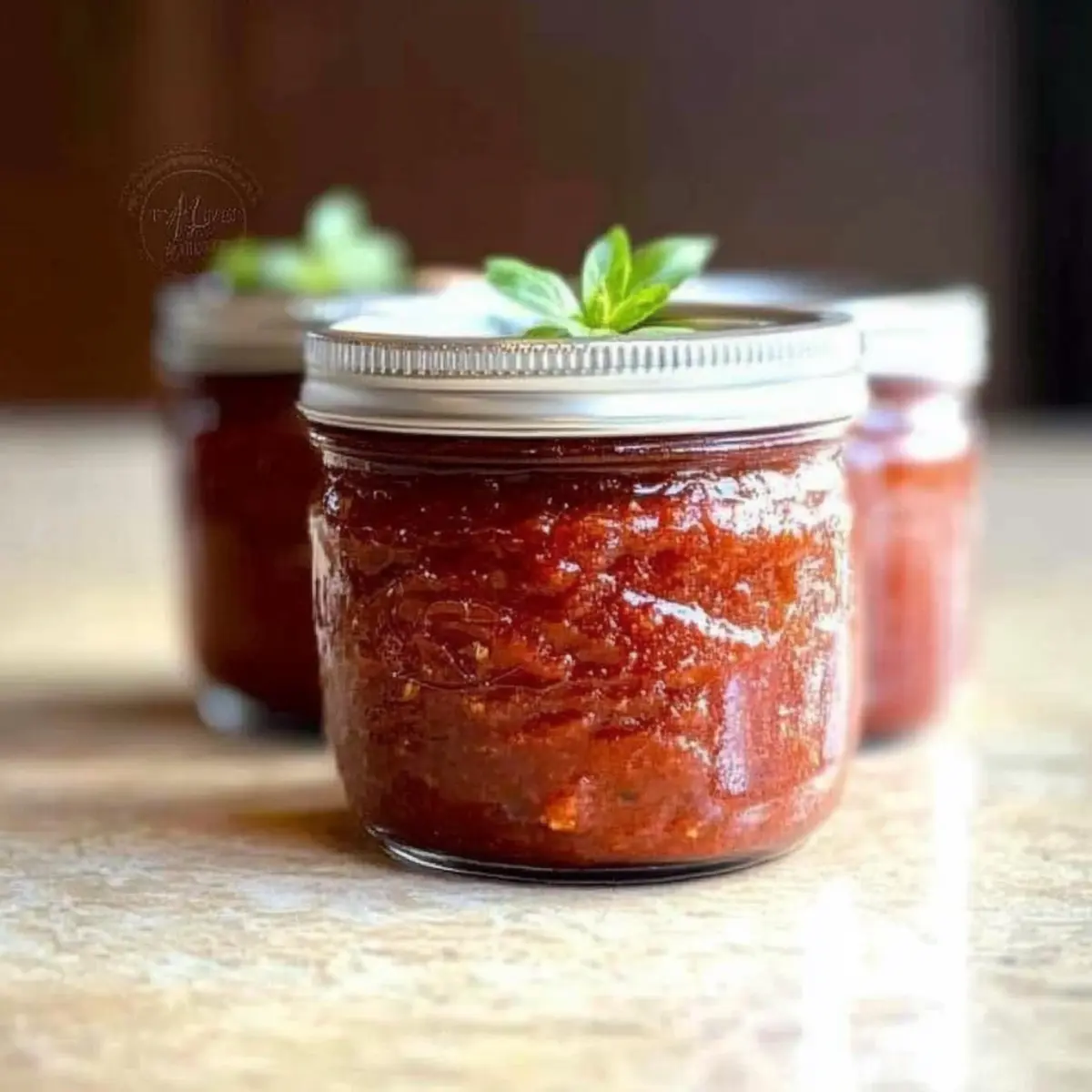
Make Ahead Options
Homemade tomato paste is an excellent candidate for meal prep, saving you valuable time on busy weeknights! You can wash, chop, and cook down the tomatoes up to 24 hours in advance, allowing the flavors to meld beautifully. For best results, strain the mixture and store the tomato puree in an airtight container in the refrigerator. If you want to prep even further, you can freeze the finished paste in ice cube trays for up to a year. When you’re ready to use your homemade tomato paste, simply thaw as needed and reheat the paste gently on the stove before incorporating it into your favorite dishes!
How to Make Tomato Paste Variations
Customize your tomato paste with these delightful twists, enhancing both flavor and nutrition in your homemade cooking.
- Herb-Infused: Add fresh basil or oregano to enrich your tomato paste with fragrant, herbal notes. This will give your dishes a lovely, garden-fresh aroma that is absolutely irresistible.
- Spicy Kick: Incorporate red pepper flakes for a delightful heat that will elevate your sauces. Just a pinch can transform the flavor profile, making it exciting for any fiery food lover!
- Garlic Lovers: Stir in roasted garlic for a sweet and savory depth. The combination offers a delicious complement to your tomato paste, enhancing everything from pasta to pizza!
- Smoky Flavor: Add a dash of smoked paprika for a surprising twist. This adds a warmth reminiscent of barbecue, perfect for bold, flavor-packed sauces.
- Sweet Twist: Mix in a teaspoon of sugar or honey to balance the acidity of your tomatoes. This simple addition will brighten up your dishes, making them even more delicious!
- Texture Variation: Blend in some cooked carrots or bell peppers for added sweetness and nutrition. They will not only enhance the flavor but also give your paste a thicker, heartier consistency.
- Vegan Option: Swap out olive oil for avocado oil if you’re aiming for a lighter, heart-healthy alternative. This swap will provide a subtle flavor while maintaining that luscious texture.
- **Herb-Infused: Try using fresh thyme or rosemary for a robust flavor profile. Their aromatic qualities will bring a new dimension to your paste that is simply delightful!
These variations ensure your creations never get boring! For example, you can use this tomato paste as a base for a delicious Cucumber Tomato Salad or to elevate your recipes, much like the indulgent taste of Hut Cheese Sticks. Embrace your creativity and let your kitchen shine with these delightful alterations!
Storage Tips for Homemade Tomato Paste
Fridge: Store in sterilized jars in the refrigerator for up to 2 weeks, ensuring they are tightly sealed to maintain freshness.
Freezer: For long-term storage, freeze your homemade tomato paste in ice cube trays. Once frozen, transfer the cubes to a resealable bag where they can last up to a year.
Room Temperature: Avoid storing at room temperature; homemade tomato paste should always be kept in the fridge or freezer to prevent spoilage.
Reheating: When ready to use frozen tomato paste cubes, simply thaw them in the refrigerator overnight or add directly to your cooking dish for instant flavor enhancement.
Expert Tips for Tomato Paste
-
Quality Tomatoes: Choose ripe Roma tomatoes for the best flavor; their meaty texture produces a richer paste compared to other varieties.
-
Oil Choice: Use high-quality olive oil to enhance the richness of your homemade tomato paste. Avoid low-quality oils to prevent off-flavors.
-
Consistent Stirring: Stir often while cooking down the tomato mixture to prevent it from sticking and burning on the bottom of the pot.
-
Canning Safety: When canning, always follow safe food preservation methods. Process in a hot water bath for 40 minutes and leave adequate headspace to avoid spoilage.
-
Frozen Portions: For easy use, freeze your tomato paste in ice cube trays. Once frozen, transfer the cubes to a resealable bag for quick access later.
-
Flavor Variations: Experiment with herbs like basil or oregano for customized flavors in your tomato paste, adapting it to fit various recipes wonderfully!
What to Serve with Easy 3-Ingredient Homemade Tomato Paste
Enhance your culinary experience with delightful pairings that elevate your homemade tomato paste into a complete meal.
-
Creamy Polenta: The velvety texture of polenta serves as a perfect canvas for your robust tomato paste, creating a comforting dish.
-
Garlic Bread: Crispy, buttery slices of garlic bread provide a crunchy contrast, perfect for scooping up rich sauces and pastes.
-
Fresh Basil Salad: A vibrant salad with fresh basil and tomatoes brightens the plate, complementing the deep flavors of your tomato paste beautifully.
-
Pasta Primavera: Tossed with seasonal vegetables and your homemade tomato paste, this dish bursts with fresh flavors, ideal for a wholesome meal.
-
Grilled Chicken: The juicy, smoky flavor of grilled chicken pairs wonderfully with tomato paste, adding a savory depth that’s absolutely mouthwatering.
-
Red Wine: A glass of robust red wine enhances the overall experience, complementing the acidity and sweetness in the tomato paste seamlessly.
Bringing these elements together not only fills the table but creates a memorable meal that feels like a warm hug from your kitchen.
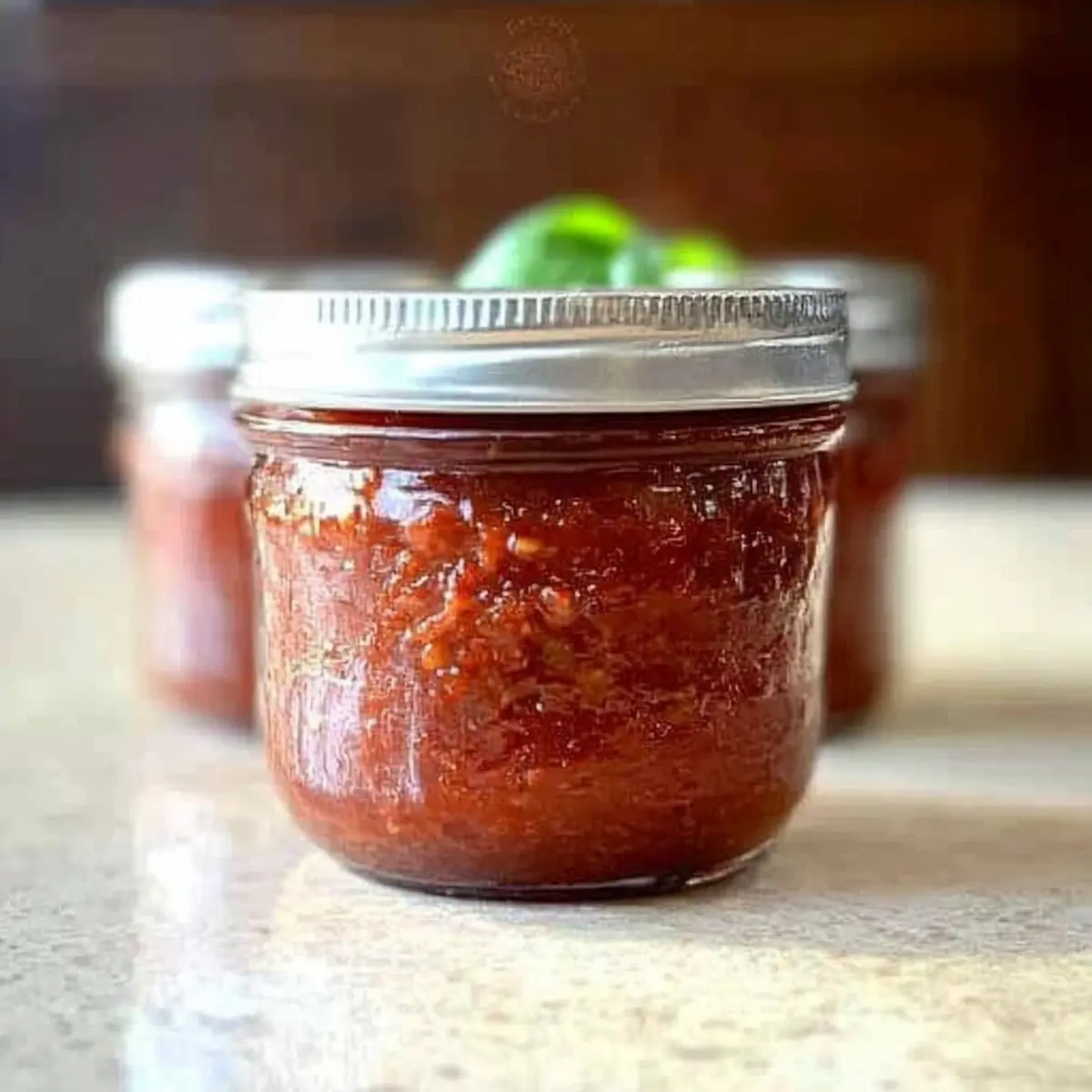
How to Make Tomato Paste Recipe FAQs
What kind of tomatoes should I use for the best flavor?
Absolutely! For the richest flavor, I recommend using ripe Roma tomatoes. Their meaty texture and concentrated sweetness make them ideal for creating a deep, delicious tomato paste. If Roma tomatoes are unavailable, look for other fleshy varieties like San Marzano or beefsteak tomatoes that will provide similar quality.
How do I store homemade tomato paste, and how long does it last?
You can store your homemade tomato paste in sterilized jars in the refrigerator for up to 2 weeks. Be sure to seal the jars tightly to maintain freshness. For longer preservation, freeze the paste in ice cube trays. Once the cubes are frozen, transfer them to a resealable bag, where they can last for up to a year.
Can I freeze tomato paste, and if so, what’s the best method?
Yes, absolutely! Freezing tomato paste is a fantastic way to preserve its flavor. To do this, simply fill ice cube trays with your cooled tomato paste and freeze. Once frozen, pop the cubes into a resealable freezer bag, and label them for easy access later. This method allows you to use small portions as needed, keeping waste to a minimum.
What if my tomato paste is too thin after cooking?
If you find that your tomato paste is too thin, don’t fret! Simply continue simmering the sauce on low heat, stirring frequently. This will help evaporate excess water, allowing the paste to thicken. Aim for a consistency that clings to the back of a spoon. This last step may take an additional 30 minutes, but the result will be worth the wait!
Are there any dietary considerations I should keep in mind?
Definitely! This homemade tomato paste is naturally gluten-free and vegan, making it a wonderful option for diverse dietary needs. However, if you have allergies, be cautious with the oils you choose. Stick to high-quality olive oil, and if you’re preparing this for pets, remember that garlic and some herbs can be harmful to them, so be mindful of what you add for extra flavor.
How should I reheat frozen tomato paste cubes?
Reheating frozen tomato paste is easy. You can thaw them overnight in the refrigerator or simply add the frozen cubes directly to your cooking pot. They will melt and incorporate seamlessly into sauces or soups, enhancing the flavor of your dish instantly!
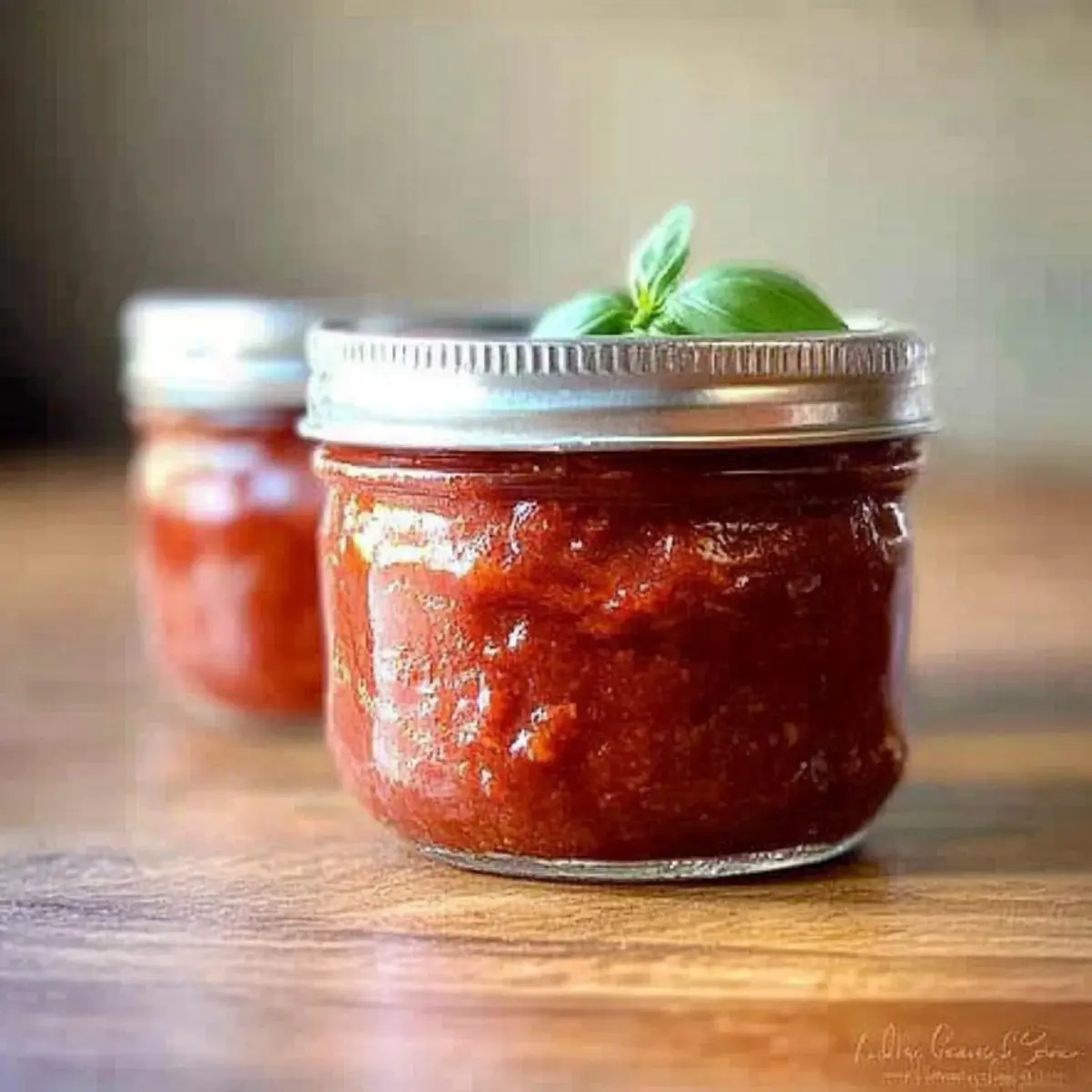
How to Make Tomato Paste: Fresh Flavor Your Way
Ingredients
Equipment
Method
- Wash 8 pounds of Roma tomatoes and chop them into quarters.
- Heat 2 tablespoons of olive oil in a large pot and add the chopped tomatoes.
- Cook the tomatoes for about 20-30 minutes, stirring occasionally.
- Puree the cooked tomato mixture using a food mill or blender, then strain.
- Return the strained tomato puree to the pot, add bay leaves, and simmer for 1.5 to 2 hours.
- Cool slightly, then transfer to sterilized jars for canning or ice cube trays for freezing.
Leave a Reply