
As I stirred the pot, a fragrant cloud of spices enveloped my kitchen, whisking me away to the bustling streets of Southeast Asia. The moment I ladled a bowl of Southeast Asian Aromatic Laksa, my mind danced with the rich history and warmth this comforting soup brings. With its creamy coconut milk and customizable options, you can easily cater to any craving—be it tender shrimp, succulent chicken, or hearty tofu. This dish is not just a meal; it’s a culinary embrace, perfect for chilly evenings or when you need that extra touch of comfort. Whether you’re aiming for a quick family dinner or a lively gathering, this laksa is sure to impress and warm hearts. Curious about how to capture those authentic flavors in your own kitchen? Let’s dive in!
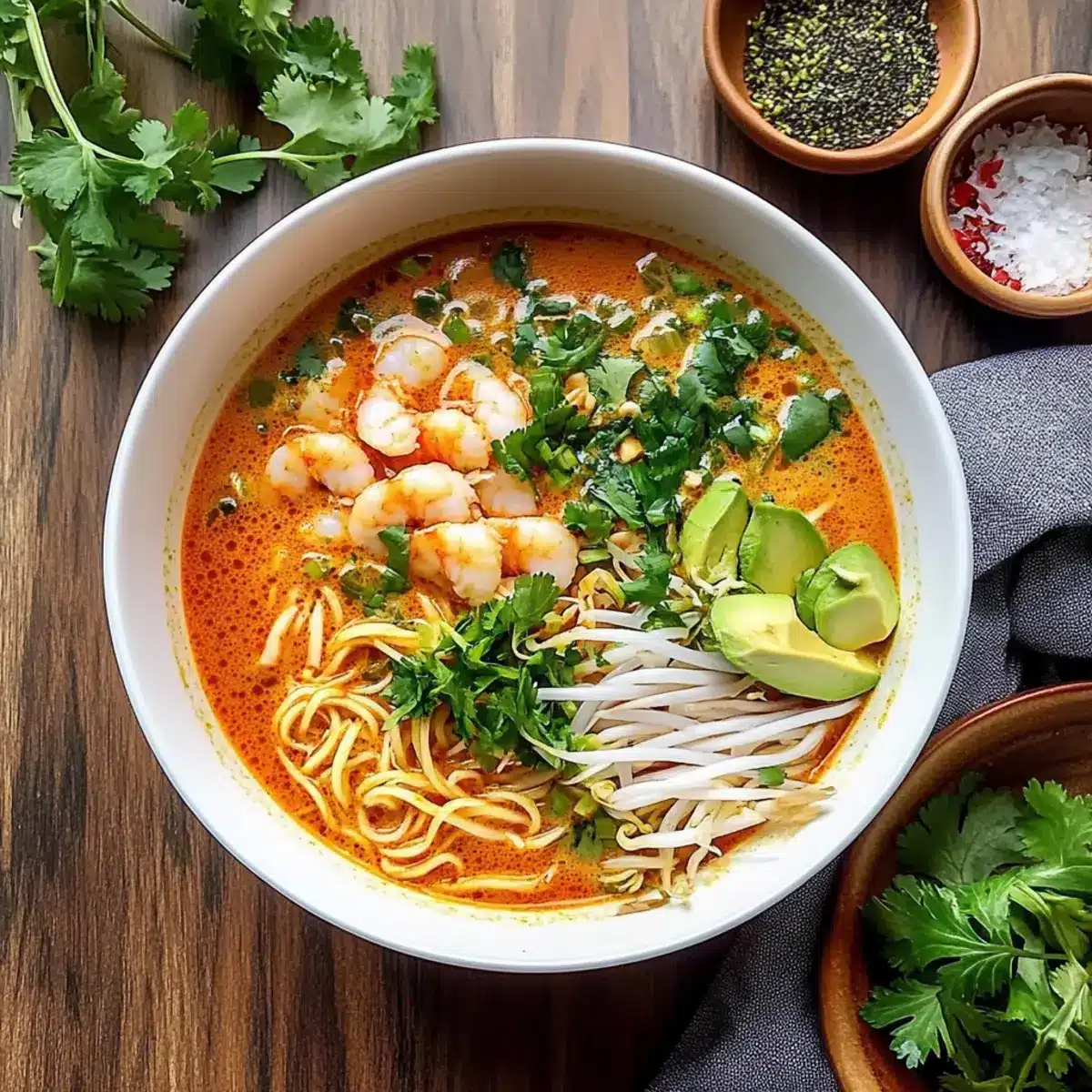
Why is Aromatic Laksa So Special?
Comforting, Wholesome Dish: The creamy broth and fragrant spices create a warm, inviting bowl of goodness that’s perfect for any occasion.
Customizable to Your Taste: Whether you prefer seafood, chicken, or tofu, this recipe allows for easy personalization.
Quick and Easy Preparation: With just a few simple steps, you can have a delicious meal ready in no time, making it ideal for busy weeknights.
Perfect for Entertaining: Impress friends and family with this exotic dish that’s sure to spark conversation and delight taste buds.
Satisfying and Filling: The combination of noodles and toppings makes for a hearty meal that will satisfy even the hungriest guests.
Explore More Variations: If you’re keen on trying different flavors, check out my vegetarian recipes or learn about optimizing your meal prep with easy storage tips for leftovers!
Southeast Asian Aromatic Laksa Ingredients
For the Broth
• 1.5 liters chicken or seafood stock – The base for the broth; substitute with vegetable stock for a vegetarian option.
• 1 cup coconut milk – Adds creaminess and richness; this is an essential ingredient for your aromatic laksa.
For the Noodles
• 1 kg egg noodles or rice vermicelli – Provides the main carbohydrate; opt for rice noodles for a gluten-free choice.
For the Protein
• 1 kg seafood (shrimp, fish cakes, crabmeat, fish fillets) or tofu – Your primary protein source; using tofu makes it vegetarian-friendly.
For the Laksa Paste
• 2 tablespoons coriander seeds – An essential spice for the laksa paste; ground coriander can be a quick alternative.
• 2 large red chilies – Adds heat to the dish; adjust quantity based on your spice tolerance.
• 2 small green chilies – Enhances the spiciness; optional if you’re sensitive to heat.
• 1/2 stalk lemongrass (chopped) – Contributes aromatic flavor; fresh is best but dried or paste is also suitable.
• 2 stalks lemongrass (for broth) – Adds depth and aroma to your soup.
• 8 segments garlic – Enhances savoriness; can be replaced with garlic powder if needed.
• 8 shallots – Provides natural sweetness; yellow onions can substitute in a pinch.
• 1/2-1 inch fresh ginger – Adds warmth; dried ginger can be used, but the flavor will vary.
• 1/2-1 inch fresh turmeric – Contributes earthy notes; use ground turmeric if fresh isn’t available.
• 1/2-1 inch galangal – Offers a unique flavor; ginger with a touch of black pepper can be a stand-in.
• 2 candlenuts – Essential for richness; macadamia nuts can serve as a substitute if needed.
• 1 tablespoon shrimp paste – Adds umami; you can omit for a vegetarian version and replace with miso for depth.
• 1 tablespoon sesame oil – Perfect for tossing noodles; you may also use other mild oils.
For Garnishing
• 3 fresh basil leaves – Brightens flavor; Thai basil is preferred, but sweet basil will also work.
• Bean sprouts, cilantro, spring onions, crispy onions, cucumber slices, hard-boiled eggs – These toppings add freshness and texture; customize based on your preferences!
Step‑by‑Step Instructions for Southeast Asian Aromatic Laksa
Step 1: Prepare Protein
Begin by boiling your seafood in salted water for about 3–5 minutes until opaque, or deep-fry the tofu until golden brown, roughly 4–5 minutes. Once cooked, drain off excess water and set them aside as your delicious protein base for the Southeast Asian Aromatic Laksa.
Step 2: Make Laksa Paste
In a food processor or mortar and pestle, blend together 2 tablespoons of coriander seeds, the red and green chilies, half a stalk of chopped lemongrass, 8 garlic segments, 8 shallots, ginger, turmeric, galangal, candlenuts, and shrimp paste until you achieve a smooth, fragrant paste. This aromatic blend will form the heart of your laksa.
Step 3: Cook Paste
Heat 1 tablespoon of sesame oil in a large saucepan over medium heat. Add the laksa paste you just prepared along with a few fresh basil leaves and the remaining stalks of lemongrass tied in a knot. Stir-fry for about 2–3 minutes until it becomes fragrant and emits a delicious aroma, ensuring that the flavors develop beautifully.
Step 4: Combine Stock
Next, add your previously prepared protein to the saucepan, and pour in 1.5 liters of chicken or seafood stock. Bring the mixture to a gentle simmer over low heat for 10 minutes, allowing the flavors of your Southeast Asian Aromatic Laksa to meld together while ensuring the broth stays soothingly warm.
Step 5: Finish Broth
Stir in 1 cup of coconut milk to the simmering broth, and continue to cook for an additional 5 minutes without letting it boil. This step is essential to maintain the creamy texture of the broth, making your laksa rich and satisfying.
Step 6: Cook Noodles
While the broth simmers, prepare 1 kg of egg noodles or rice vermicelli according to the package instructions, usually boiling them for 3–6 minutes until al dente. Drain the noodles and toss them with a splash of sesame oil to prevent sticking while adding another layer of flavor.
Step 7: Serve
In deep bowls, place a generous portion of the cooked noodles as your base. Ladle the warm laksa broth over the noodles and top with your choice of garnishes such as bean sprouts, cilantro, spring onions, crispy onions, cucumber slices, and halved hard-boiled eggs. This combination brings freshness, crunch, and a wonderful visual appeal to your aromatic laksa.
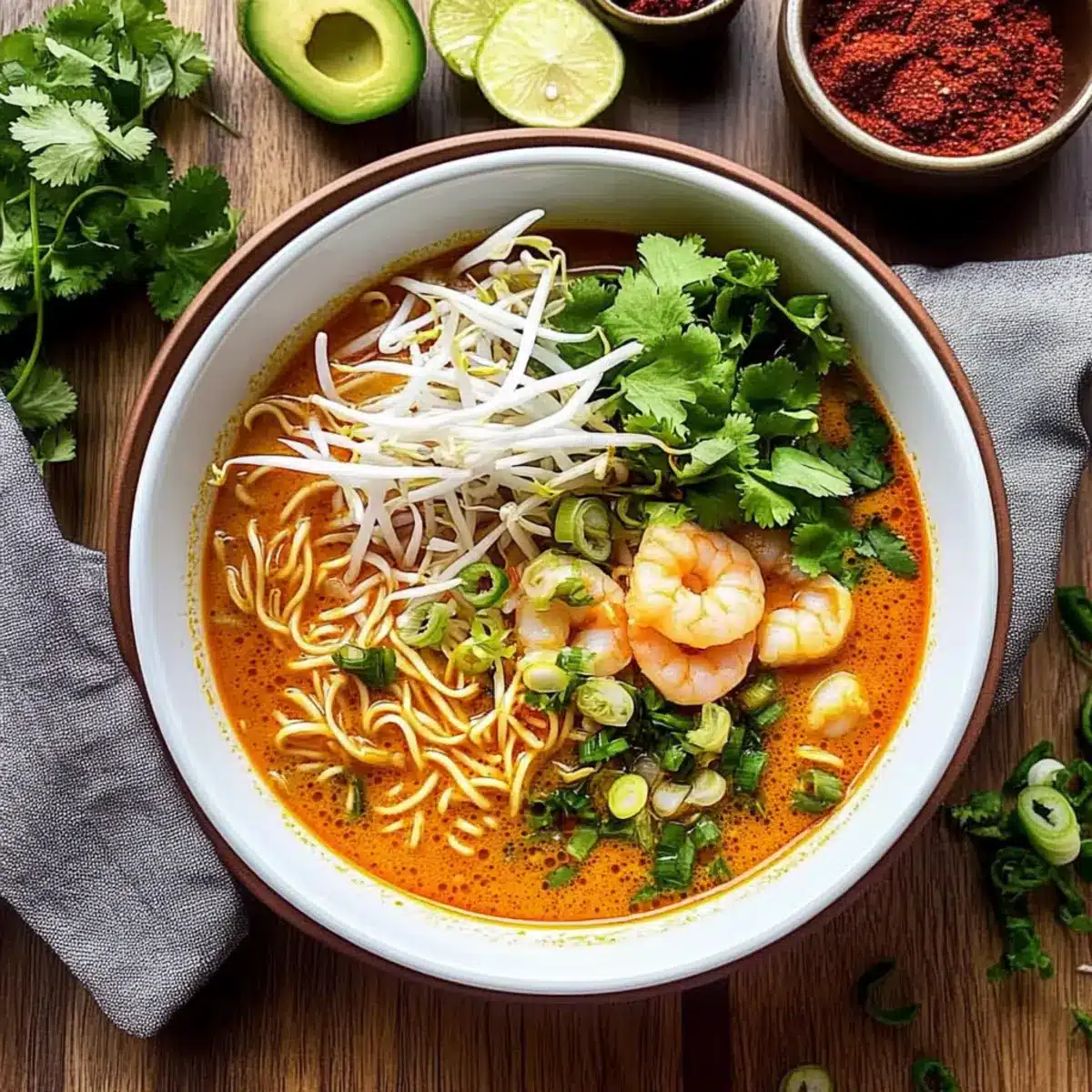
How to Store and Freeze Southeast Asian Aromatic Laksa
- Fridge: Store any leftover laksa in an airtight container in the fridge for up to 3 days. Ensure to separate the noodles from the broth to maintain texture.
- Freezer: Freeze the laksa broth without the noodles in portioned airtight containers for up to 3 months. Reheat on the stove and add freshly cooked noodles for the best results.
- Reheating: Gently reheat the broth over medium heat while adding more coconut milk if needed to restore creaminess. Cook the noodles separately and combine when serving.
- Laksa Paste Storage: The laksa paste can be stored in the fridge for up to a week or frozen for up to three months, ready for your next batch of flavorful Southeast Asian Aromatic Laksa!
What to Serve with Aromatic Laksa
To elevate your meal experience, explore these delightful pairings that harmonize beautifully with this vibrant soup.
-
Crispy Spring Rolls: These crunchy snacks are ideal for dipping into the rich broth, complementing the creamy texture of the laksa in each satisfying bite.
-
Cooling Cucumber Salad: A refreshing salad with thinly sliced cucumbers, rice vinegar, and a hint of chili offers a crisp contrast to the spiciness of the laksa. It lightens the meal while enhancing flavors.
-
Chaotically Delicious Wontons: Fried or steamed, wontons provide an additional layer of texture that harmonizes perfectly with the silky noodles, delivering mouthfuls of joy alongside your aromatic dish.
-
Lemongrass Iced Tea: A fragrant iced tea, infused with fresh lemongrass, helps cleanse the palate between bites and keeps you refreshed alongside the warmth of the laksa.
-
Hard-Boiled Eggs: These protein-packed garnishes, sliced in half and nestled atop the laksa, add richness and help mellow the bold flavors of the broth.
-
Steamed Bok Choy: Tender greens provide a fresh crunch and nutrient boost, seamlessly integrating with the flavors of your aromatic laksa while adding vibrant color to the bowl.
Southeast Asian Aromatic Laksa Variations
Feel free to get creative with your Southeast Asian Aromatic Laksa—every bow can be a delightful new experience!
- Vegetarian Option: Swap out shrimp paste for miso and use vegetable stock for a delicious vegetarian variation.
- Spicy Kick: Add a teaspoon of chili paste or sriracha to the broth for an extra fiery kick that will awaken your taste buds.
- Creamy Twist: Use almond or cashew milk instead of coconut milk for a subtly different creamy flavor with a nutty finish.
- Noodle Swap: Experiment with different noodles, such as udon or soba, for a refreshing texture change that still holds the delicious broth.
- Leafy Greens: Toss in fresh spinach or bok choy during the last few minutes of simmering for added nutrition and a pop of color.
- Protein Boost: Go beyond the basics by mixing seafood options—try adding scallops or squid alongside your shrimp for a seafood medley.
- Citrus Zing: Squeeze in some fresh lime juice just before serving for a zesty brightness that elevates the entire dish.
- Herb Infusion: Try adding fresh mint along with cilantro as a garnish for an unexpected layer of refreshing flavor—perfect for a summer meal!
Discover how these vibrant variations can cater to every taste and mood! Happy cooking, and if you’re on the lookout for more twists, check out my vegetarian recipes or get inspired with easy storage tips for leftovers!
Expert Tips for Southeast Asian Aromatic Laksa
- Authentic Paste Preparation: Using a mortar and pestle will enhance the aromas of the laksa paste, giving your Southeast Asian Aromatic Laksa an authentic flavor boost.
- Simmer Wisely: Allow the broth to simmer gently to meld flavors, but avoid boiling the coconut milk to keep it creamy and rich.
- Chili Control: If you’re sensitive to heat, remove the seeds from the chilies or reduce their quantity to suit your taste preferences.
- Substitutions: Don’t hesitate to use alternatives like miso for shrimp paste or macadamia nuts for candlenuts, ensuring your dish remains deliciously satisfying.
- Garnish Memories: Customize your garnishes based on what you love—fresh herbs, crispy elements, or creamy eggs can elevate the presentation and flavor of your laksa.
- Meal Prep Magic: Prepare the laksa paste in advance and store it in the fridge or freezer to save time on busy days, enhancing the flavor of your future Southeast Asian Aromatic Laksa!
Make Ahead Options
These Southeast Asian Aromatic Laksa components are perfect for meal prep, saving you time on busy weeknights! You can prepare the laksa paste up to 3 days in advance; simply refrigerate it in an airtight container to preserve its vibrant flavors. Additionally, cook and store the protein (seafood or tofu) for up to 24 hours in the fridge before finishing the dish. When ready to serve, reheat the broth and protein, then cook the noodles following the package instructions, tossing them with sesame oil to maintain their texture. This way, your laksa will be just as delicious, providing that comforting embrace whenever you need it!
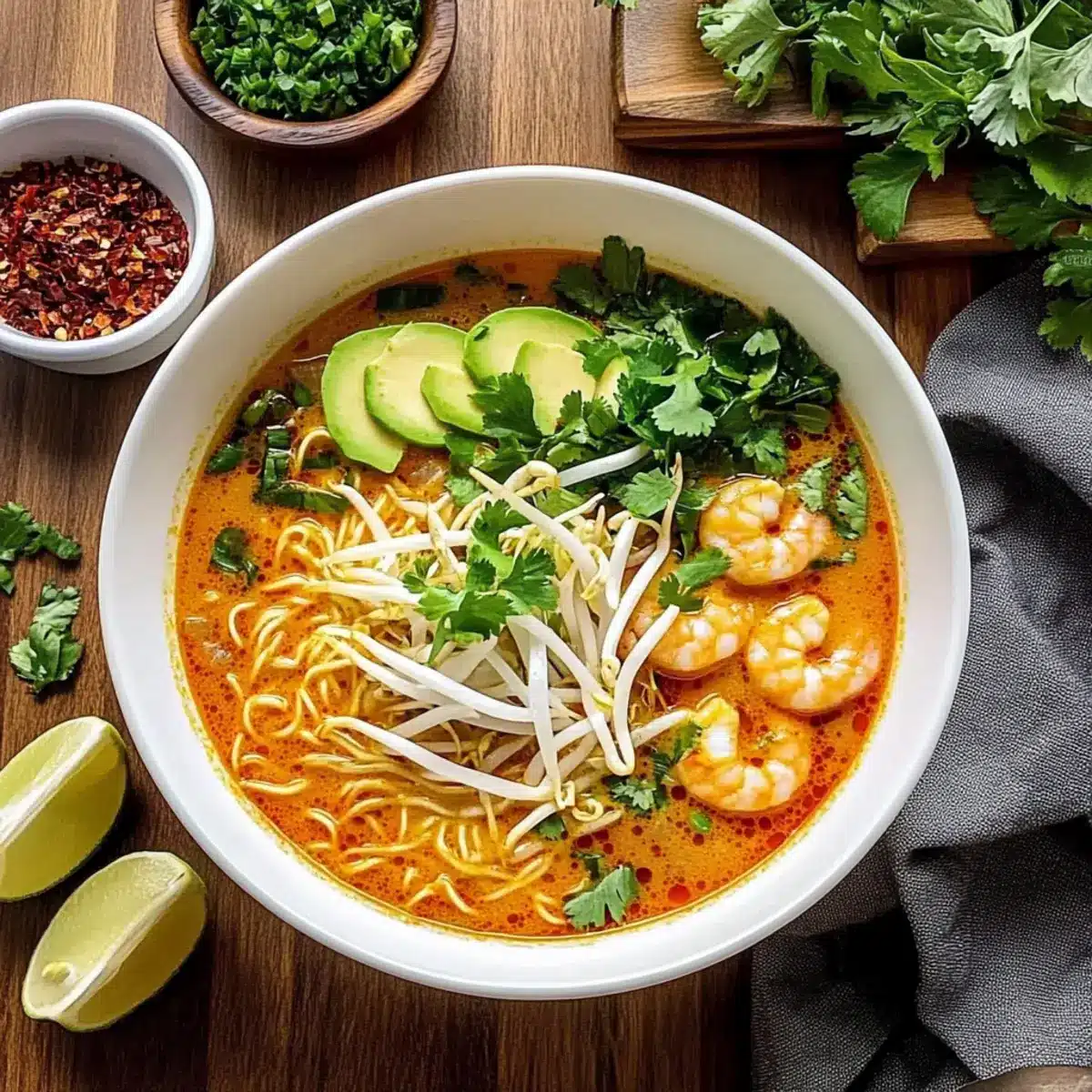
Southeast Asian Aromatic Laksa Recipe FAQs
How do I select ripe ingredients for my laksa?
Absolutely! When choosing ingredients like chilies, look for bright colors without dark spots or wilting. Fresh ginger and turmeric should be firm to the touch, while lemongrass should be vibrant and aromatic. For seafood, select shrimp or fish that have a clean smell and are firm to ensure the best flavor in your Southeast Asian Aromatic Laksa.
How can I store leftover laksa?
Store any leftover laksa in an airtight container in the fridge for up to 3 days. To maintain the texture, it’s best to separate the noodles from the broth before storing. The noodles can become soggy if left in the liquid. When you’re ready to enjoy your leftovers, reheat the broth gently on the stove!
Can I freeze my laksa broth?
Yes! Freeze the laksa broth without the noodles in portioned airtight containers for up to 3 months. Reheating is simple; just thaw it in the fridge overnight and warm it over medium heat, adding cooked noodles separately for the best texture.
What can I do if my laksa is too spicy?
Very! If your laksa turns out spicier than you’d like, you can mellow the heat by adding more coconut milk or broth. This dilutes the spice while also enhancing the creaminess. Adding a spoonful of sugar can help balance the flavors, bringing a soothing harmony back to your dish.
Are there any dietary considerations for pets and allergies?
Absolutely! Keep in mind that some ingredients like shrimp paste can be problematic for those with shellfish allergies, so it’s best to replace it with miso for a vegetarian version. Always ensure your garnishes do not include anything harmful to pets, like onions or excessive salt.
How can I prepare laksa paste in advance?
You can prepare the laksa paste ahead of time and store it in an airtight container in the fridge for up to a week. Alternatively, freeze it in ice cube trays and transfer the cubes to a freezer bag for up to 3 months. This method allows you to easily portion out exactly what you need during your next cooking adventure!
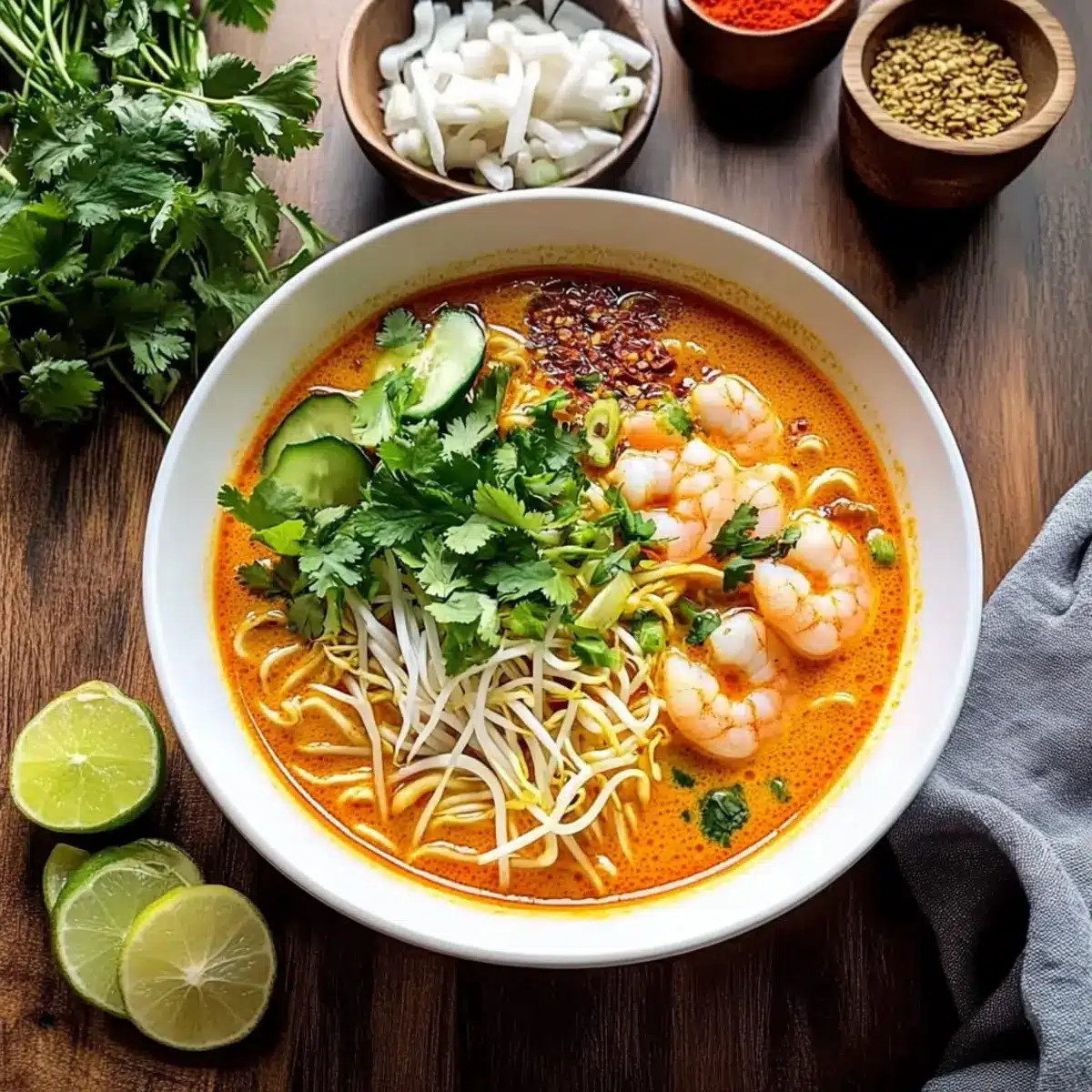
Southeast Asian Aromatic Laksa for Ultimate Comfort Food
Ingredients
Equipment
Method
- Begin by boiling your seafood in salted water for about 3–5 minutes until opaque or deep-fry the tofu until golden brown, roughly 4–5 minutes. Drain excess water.
- In a food processor or mortar and pestle, blend together coriander seeds, red and green chilies, chopped lemongrass, garlic segments, shallots, ginger, turmeric, galangal, candlenuts, and shrimp paste until smooth.
- Heat sesame oil in a large saucepan over medium heat. Add the laksa paste and remaining stalks of lemongrass. Stir-fry for 2–3 minutes until fragrant.
- Add previously prepared protein and pour in chicken or seafood stock. Bring to a gentle simmer over low heat for 10 minutes.
- Stir in coconut milk and cook for an additional 5 minutes without boiling.
- Prepare egg noodles or rice vermicelli according to package instructions. Drain and toss with sesame oil.
- In deep bowls, place cooked noodles, ladle the warm laksa broth over top, and garnish with bean sprouts, cilantro, spring onions, crispy onions, cucumber slices, and halved hard-boiled eggs.
Leave a Reply